Every school leader wants classrooms and hallways to feel safe, predictable, and supportive for both students and staff.
Educator safety training plays an important role in shaping how daily interactions unfold in complex school environments.
In schools that serve students with a wide range of learning and behavioral needs, safety is not only a facilities concern.
It is also influenced by how educators position themselves, assess risk, and respond in the moment.
Safety in schools is shaped as much by daily interactions as it is by physical spaces and formal procedures.
Over time, many educators develop informal habits for managing challenging situations.
These habits often develop without structured guidance or a shared safety framework.
As a result, well-intentioned staff members can place themselves in vulnerable positions without recognizing the risk.
This is especially common during instruction, redirection, or personal care tasks.
Understanding the Limits of Prevention
Not every difficult situation can be prevented.
Schools support students who experience emotional distress, impulsivity, or difficulty with self-regulation.
These challenges are part of the educational landscape and require patience, flexibility, and skill.
Even in well-run programs, moments of escalation can still occur.
Educator safety training does not attempt to eliminate all risk.
Instead, it focuses on reducing unnecessary exposure and helping staff recognize early warning signs.
This distinction matters for administrators evaluating training investments.
The goal is not perfection, but improved consistency and awareness across staff roles.
How Educator Safety Training Influences Daily Interactions
Basic safety training emphasizes practical skills that apply during routine instruction and student support.
These skills often involve subtle adjustments rather than dramatic interventions.
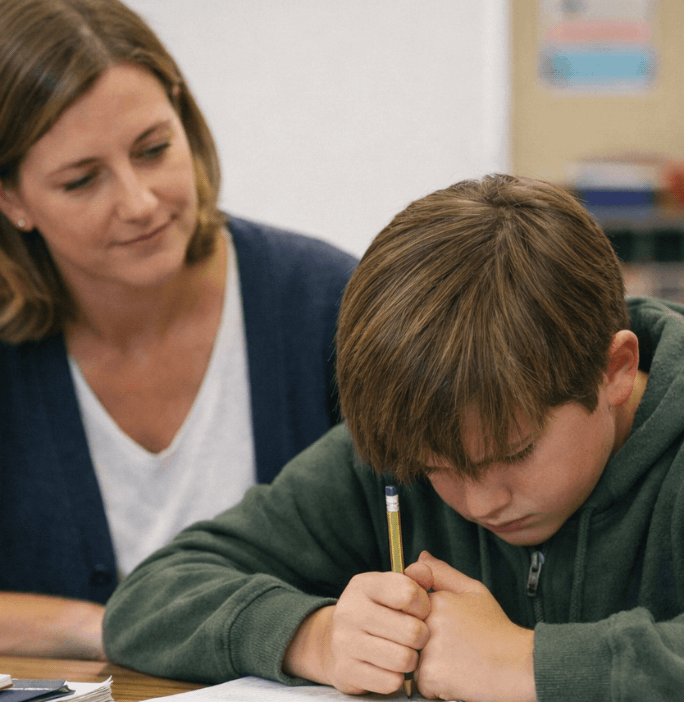
Educators learn how positioning affects risk when working closely with students on academic or life skills tasks.
Small changes can reduce vulnerability without disrupting instruction.
Situational awareness is another foundational element.
Staff are encouraged to notice environmental factors, student body language, and proximity to exits or obstacles.
Earlier awareness often gives staff more options, allowing situations to be addressed before they escalate.
Training also supports earlier recognition of potentially dangerous situations.
When educators notice changes sooner, they have more options available to respond.
This overview reflects common focus areas and is not intended to be exhaustive.
Training should be aligned with the specific needs of each school community.
Reducing the Need for Physical Intervention
When staff recognize risk earlier, they can often redirect or adjust before behavior escalates.
This can reduce reliance on physical holds or restrictive interventions.
Fewer physical interventions are often associated with fewer staff injuries.
Students may also experience calmer responses that preserve dignity and trust.
From an administrative perspective, this can support broader goals related to staff retention,
incident reduction, and overall program stability.
Safety skills also help establish a shared language among staff.
This consistency supports teamwork during complex or rapidly changing situations.
Safety Training as a Program Foundation
In schools with established behavior programs, educator safety training often serves as a foundation.
It complements de-escalation strategies and behavior supports already in place.
When staff feel more prepared, they often approach challenging situations with greater confidence and clarity.
This preparation can influence decision-making under pressure.
Over time, these shared skills can influence school culture.
Expectations become clearer, and responses become more aligned across roles.
Key Takeaways
- Educator safety training emphasizes awareness and prevention rather than eliminating all risk.
- Small changes in positioning and awareness can reduce vulnerability during daily interactions.
- Earlier recognition of risk can reduce reliance on physical interventions.
- Fewer interventions can support safer outcomes for both staff and students.
- Safety skills often strengthen the foundation of existing behavior programs.
Contact us to discuss how our training could benefit your organization.